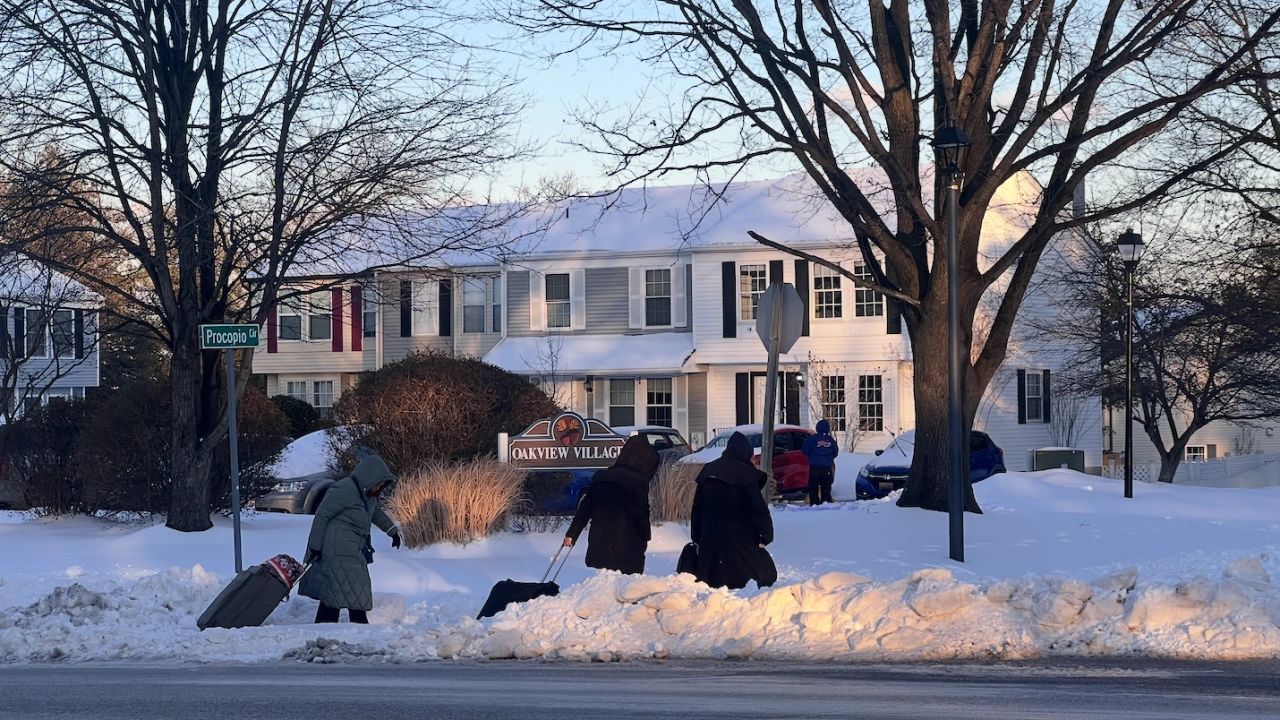

If you’re considering relocating to Howard County, Maryland, understanding how snow impacts daily life is essential for making an informed decision. The recent winter storm that closed schools for an entire week highlights the importance of being prepared for winter weather in this beautiful Maryland county.
Understanding Howard County’s Snow Patterns
Howard County experiences moderate snowfall compared to other parts of Maryland. The county averages approximately 19 inches of snow per year, which is below the national average of 28 inches. However, this figure can vary significantly from year to year, and the county’s geography plays a crucial role in determining snowfall amounts.
Geography and Snowfall Variation
Howard County sits in what meteorologists call the ‘Upland Section’ of Maryland, with rolling hills and elevations reaching close to 1,000 feet above sea level in the western portions of the county. This elevated terrain, combined with the county’s distance from the warming effects of the Chesapeake Bay, often allows for more snow accumulation compared to areas closer to Baltimore or along Interstate 95.
During major snow events, western Howard County communities like Clarksville and Simpsonville often receive more snow than eastern areas like Elkridge and Laurel. For example, during the January 2026 storm, Simpsonville recorded 11.3 inches while other parts of the county saw between 9 and 11 inches.
Typical Snow Events
Most snow events in Howard County are relatively modest, with the area typically receiving:
- Light dustings to 2 inches: These occur several times each winter and usually don’t significantly impact daily activities
- 3–6 inches: Moderate events that may cause school delays or closures and require snow removal
- 6–12 inches: Significant storms that typically result in school closures and challenging road conditions
- 12+ inches: Major winter storms that are relatively rare but can have substantial impacts
The January 2026 storm, which brought 9–11 inches to most of Howard County, represents a significant but not unprecedented event. The last truly major snowstorm was in January 2016, when parts of the region received over 25 inches.
School Closures and Delays
Howard County Public School System (HCPSS) takes a cautious approach to inclement weather, prioritizing student safety above all else. Understanding the school system’s weather policies is particularly important for families with children or those whose work schedules depend on school operations.
Decision-Making Process
HCPSS officials make closure decisions by 5:30 a.m., following an extensive overnight evaluation process. Transportation supervisors conduct on-road observations around 3:00 a.m., consulting with state and county road departments, police, and neighboring school districts.
Recent Closure Patterns (2015–2026)
- 2015–16: Significant closures due to the historic January 2016 blizzard (29+ inches at BWI Airport)
- 2017–2023: Generally light snow years with minimal accumulation (some seasons saw less than 1 inch total)
- 2022: Schools closed for multiple days in January due to 4–7 inches of snow
- 2024: Limited closures with most events resulting in delays rather than full closures
- 2025–26: Multiple closures in January 2026, with schools closed for an entire week following a 9–11 inch snowfall
The January 2026 week-long closure was notable not only for the initial snowfall but also for persistently cold temperatures that remained below freezing, making cleanup particularly challenging.
Virtual Learning and Makeup Days
Beginning in 2022, HCPSS implemented asynchronous instruction days for the first three inclement weather closures. After these three days are used, traditional snow days are implemented, which may need to be made up at the end of the school year. The school calendar typically includes five built-in inclement weather days.
What Home Buyers Should Consider
1. Location Within the County
Western Howard County (Clarksville, West Friendship, Dayton) tends to receive slightly more snow than eastern areas due to higher elevation. If you’re particularly sensitive to snow, consider homes in the eastern or southern portions of the county. However, the difference is usually only 1–3 inches during major events.
2. Commute Considerations
Interstate 95 often serves as a dividing line for winter weather in the region, with areas west of I-95 receiving more snow. If you commute to Baltimore or Washington D.C., be prepared for variable conditions along your route.
3. Property Features to Prioritize
When house hunting in Howard County, winter weather preparedness should influence your decision:
- Garage or covered parking: Protects vehicles from snow and ice accumulation
- Flat or gently sloped driveways: Easier to clear and navigate in snow
- Good drainage: Prevents ice accumulation in walkways
- Proximity to main roads: County and state roads are plowed first
- Southern or eastern exposure: Helps snow melt faster with sun exposure
4. Community Snow Removal
Howard County maintains primary and secondary roads, but homeowners are responsible for sidewalks and driveways. Many neighborhoods have homeowners associations that provide snow removal for common areas and sometimes even individual driveways. Understanding what services are included in HOA fees can impact your winter maintenance costs.
5. Childcare Flexibility
For families with children, it’s essential to have backup childcare plans. While the three asynchronous instruction days help preserve the school calendar, significant storms can still result in traditional snow days.
Preparing for Winter in Howard County
- Snow removal equipment: A good snow shovel, ice scraper, and potentially a snow blower for longer driveways
- Salt or ice melt: Stock up before winter begins, as stores often sell out before major storms
- Winter or all-weather tires: While not always necessary, they provide extra safety during winter months
- Emergency supplies: Keep extra food, water, and medications on hand in case you’re homebound for a few days
- Stay informed: Sign up for HCPSS alerts and Howard County emergency notifications
The Silver Lining
While snow can disrupt daily routines, Howard County offers a wonderful winter experience. The county’s excellent parks system, including Centennial Park and various neighborhood trails, becomes a winter wonderland after fresh snowfall. Columbia’s lake areas are particularly beautiful in winter, and many families enjoy sledding at local hills when conditions permit.
Additionally, Howard County’s strong sense of community often shines during winter weather. Neighbors help each other clear sidewalks and driveways, and the county’s efficient road crews work around the clock to restore safe travel conditions.
Conclusion
Howard County experiences moderate winter weather with an average of 19 inches of snow annually. While significant storms do occur—as evidenced by the week-long school closure in January 2026—they are relatively infrequent, and the county has excellent infrastructure for managing winter conditions.
For prospective homeowners, the key is preparation rather than avoidance. Choose a property with winter weather in mind, understand the school system’s policies, and be ready with the right equipment and supplies.
Note: Weather patterns can vary significantly from year to year. This guide is based on historical averages and recent trends as of January 2026. For the most current information about Howard County Public Schools closures and delays, visit status.hcpss.org or call the HCPSS inclement weather hotline at 410-313-6827.