
That spare bedroom you rent out to help with the mortgage? As of October 1, 2026, Maryland’s lead paint law may now treat it the same way it treats a full rental apartment.
If your Howard County home was built before 1978 and you rent a room in it — even one where your tenant shares your kitchen or a hall bathroom — this change is worth a few minutes of your time. Here’s what changed, how to tell if it applies to you, and the simple steps to get squared away.
What changed: one word, big impact
Maryland’s Reduction of Lead Risk in Housing Law has covered traditional rentals for decades. But the old definition of a “rental dwelling unit” required the space to be independent — generally read as having its own private kitchen and bathroom.
That one word left room rentals in a gray area. If your tenant shared your kitchen, you could reasonably argue the room wasn’t a “unit” at all.
Senate Bill 872 (now Chapter 225 of 2026) removed the word “independent.” A space now counts if it has, or has access to, the basics for living, sleeping, cooking, eating, and sanitation. Shared facilities no longer take a rental outside the law. State fiscal analysts estimate roughly 37,500 additional units are now covered, including rooming houses and shared housing.
Does this apply to your home?
The law only reaches homes built before 1978, the year lead-based paint was banned for residential use. In Howard County, that covers more homes than many people expect.
Think of the original Columbia villages like Wilde Lake, Harper’s Choice, and Oakland Mills, which began taking shape in the late 1960s and 1970s. Add the older streets of historic Ellicott City, Elkridge, and Savage, plus farmhouses and mid-century homes scattered across western Howard County.
A quick gut check — this likely applies to you if:
- Your home was built before 1978
- You rent a room (or rooms) to someone outside your household
- Your tenant shares a kitchen, bathroom, or both
Not sure of your home’s build year? It’s listed on your property record through the Maryland State Department of Assessments and Taxation (SDAT). And if you’re unsure whether your arrangement counts, the Maryland Department of the Environment (MDE) is the final word.
Your compliance options, in plain English
Covered rentals must be registered with MDE and carry a valid lead certificate. Most owners will land on one of these paths.
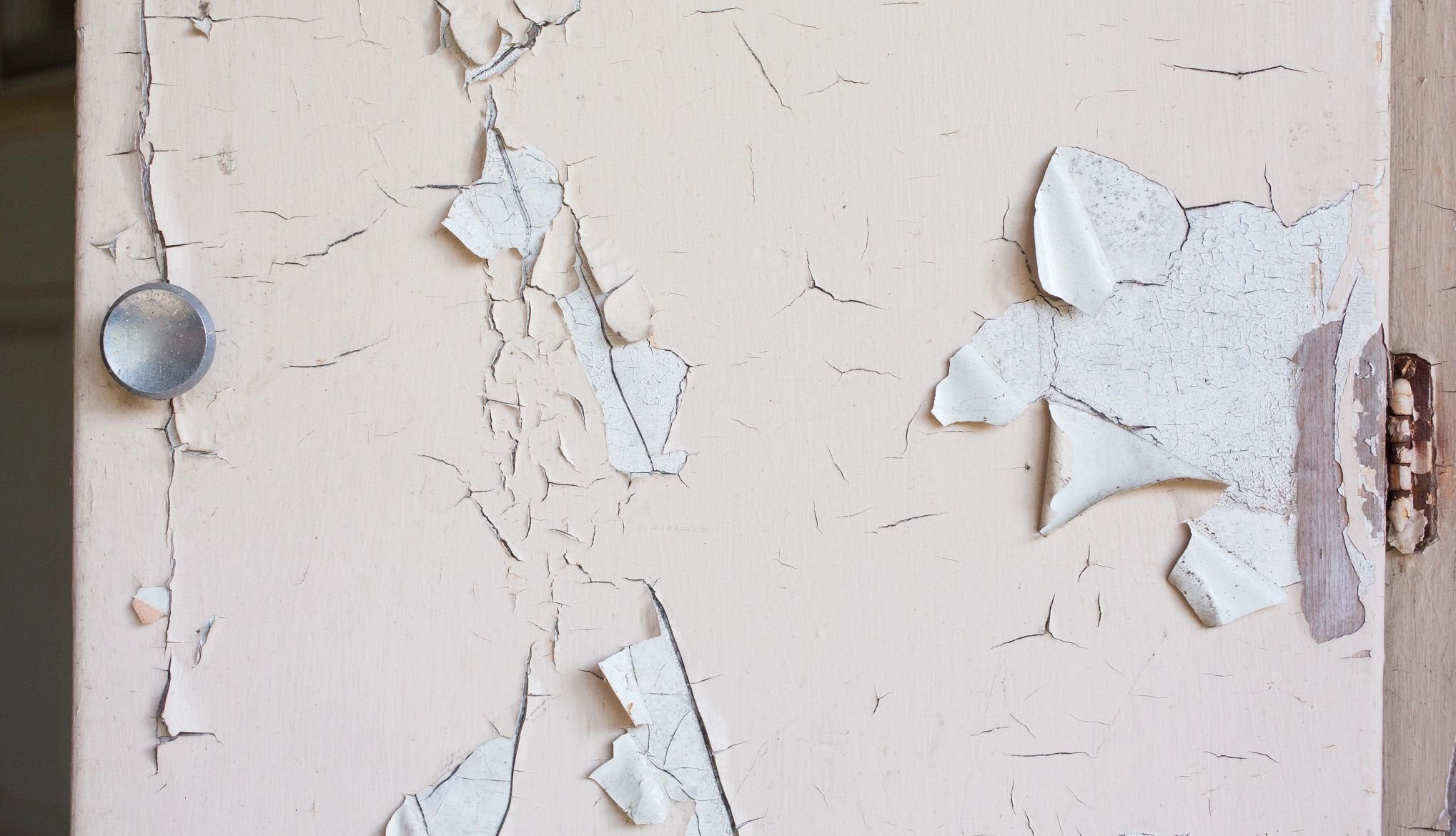
Full Risk Reduction certificate. This is the most common route, usually completed while the room is empty before a new tenant moves in. First, any chipping, peeling, or flaking paint inside and out gets repaired or repainted. Then an MDE-accredited inspector takes dust samples, and if they pass, you get your certificate. A clean, well-kept home makes this step much smoother.
Modified Risk Reduction certificate. This isn’t the default path. It comes into play if a tenant (or anyone else) reports a paint defect in writing, or if the state identifies a lead exposure concern in the home. It involves specific repairs by an accredited contractor, followed by a passing dust test.
Lead Free or Limited Lead Free certificate. If testing shows no lead-based paint, your home may qualify as Lead Free, which exempts it from ongoing risk reduction requirements and registration fees. If lead is found only on exterior surfaces, a Limited Lead Free certificate may fit instead. Both must be re-inspected every two years to stay valid.
Registration. Separate from the certificate, the property itself must be registered with MDE and renewed on schedule. Registration is the starting point for everything else.
Your next steps
The law took effect October 1, 2026, so if you’re renting a room in a pre-1978 home, now is the time to catch up. The good news: it’s a manageable process.
- Confirm your build year on your SDAT property record.
- Register the property with MDE through its Lead Poisoning Prevention Program.
- Walk the home with fresh eyes. Look for chipping or peeling paint around windows, doors, stair rails, porches, and trim, and take care of it.
- Book an MDE-accredited inspector for the certificate that fits your situation.
- Keep a simple folder with your registration confirmation and certificates. It makes renewals and future tenant turnovers easy.
A few situations deserve a prompt call to an accredited inspector or MDE: you’re renting a room now and haven’t registered, a tenant has reported a paint issue, or an existing Lead Free certificate is due for its two-year re-inspection.
What this means if you’re buying or selling
If you’re selling a pre-1978 home where you’ve rented a room, gather your MDE registration and any lead certificates before you list. Organized paperwork answers buyer questions early and keeps the closing timeline on track.
If you’re buying an older home and plan to rent out a room to offset costs, build lead compliance into your plan from day one. Ask whether the seller has any existing lead certificates, and factor inspection and paint touch-ups into your budget and timeline before the first tenant moves in.
Frequently asked questions
When did Maryland’s lead law start covering rented rooms?
October 1, 2026, when Senate Bill 872 (Chapter 225 of 2026) took effect.
Does it matter if my tenant shares my kitchen or bathroom?
Not anymore. A space now counts as a rental dwelling unit if it has, or has access to, facilities for living, sleeping, cooking, eating, and sanitation.
My home was built in 1980. Does this apply to me?
No. Maryland’s lead risk reduction requirements apply to rental properties built before 1978.
What’s the first step?
Register the property with the Maryland Department of the Environment, then schedule an MDE-accredited inspector for the right certificate.
Can I skip the ongoing requirements?
If testing shows your home has no lead-based paint, a Lead Free certificate exempts it from ongoing risk reduction requirements. It still needs re-inspection every two years.
Here to help you stay ahead
Renting a room can be a smart way to make homeownership work harder for you. A little paperwork up front keeps it that way.
Whether you’re weighing a room rental in a home you own, buying an older Howard County home with that plan in mind, or getting ready to sell, Mae Valley Home Group is happy to talk it through and connect you with trusted local inspectors.
Call or text us at 443-420-6965.
Mae Valley Home Group, brokered by Corner House Realty, 443-499-3839. This post is for general information only and is not legal advice. For guidance on your specific property, contact the Maryland Department of the Environment or a qualified attorney.
Sources: SB 872 (2026) bill page · SB 872 fiscal and policy note